
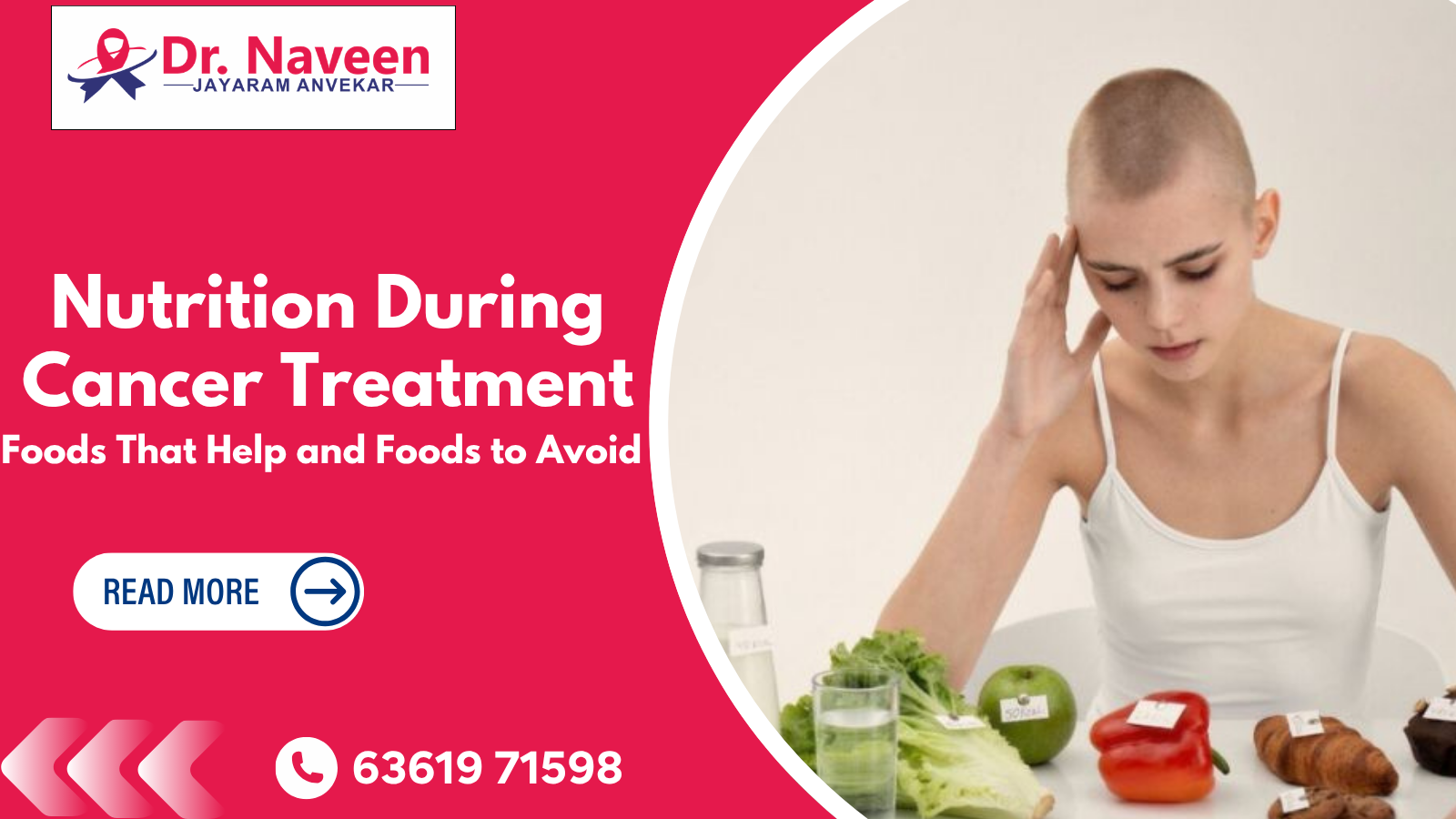
Cancer treatment is one of the most physically and emotionally demanding experiences a person can face. Chemotherapy, radiation, surgery, and immunotherapy all take a significant toll on the body — depleting energy, suppressing immunity, and disrupting digestion. In the middle of all this, nutrition is often the last thing patients want to think about, especially when appetite disappears, and food begins to taste different.
But here is the truth: what you eat during treatment can directly influence how well your body tolerates therapy, how quickly it recovers, and how effectively it fights back. Nutrition is not a luxury during cancer treatment — it is part of the treatment itself.
Why Nutrition Matters More Than Ever During Cancer Treatment
Cancer and its treatments create extraordinary nutritional demands. The body burns more calories fighting disease. Chemotherapy and radiation damage healthy cells alongside cancerous ones, requiring constant repair. The immune system works overtime, needing nutrients it can no longer easily absorb due to gut inflammation and nausea.
Malnutrition is alarmingly common among cancer patients — and it worsens outcomes. Patients who maintain good nutritional status during treatment experience fewer complications, tolerate higher doses of therapy, spend less time in the hospital, and report better quality of life overall.
The goal of cancer nutrition is not about eating "perfectly." It is about eating strategically — fuelling recovery, protecting healthy tissue, managing treatment side effects, and keeping the body strong enough to complete the course of therapy.
Foods That Help During Cancer Treatment
1. Lean Proteins — The Building Blocks of Recovery
Protein is critical during cancer treatment. It repairs tissues damaged by chemotherapy and radiation, supports immune function, and prevents dangerous muscle loss. Many patients lose significant muscle mass during treatment — a condition called cachexia — which can severely limit their ability to continue therapy.
Best sources: Eggs, chicken, fish, lentils, tofu, paneer, Greek yoghurt, and legumes. Aim for a protein-rich food at every meal, even if portions are small.
2. Antioxidant-Rich Fruits and Vegetables
Fruits and vegetables packed with antioxidants — vitamins C, E, beta-carotene, and selenium — help neutralise free radicals, reduce inflammation, and support immune defence. Cruciferous vegetables like broccoli, cauliflower, and cabbage contain compounds that may even help inhibit tumour growth.
Best choices: Berries, pomegranate, spinach, carrots, sweet potatoes, broccoli, and bell peppers. Aim for colour variety on your plate daily.
Patients undergoing treatment at hospitals in and around Vijayanagar, Kuvempunagar, and other parts of Mysore are often counselled on diet by the best medical oncologist in Mysore to ensure nutrition plans align with their specific treatment protocols.
3. Whole Grains for Sustained Energy
Fatigue is one of the most debilitating side effects of cancer treatment. Whole grains provide slow-releasing carbohydrates that maintain stable blood sugar and energy levels throughout the day. They also supply fibre, B vitamins, and minerals that support gut health and nerve function.
Best choices: Brown rice, oats, whole wheat roti, millets like ragi and jowar, and quinoa.
4. Healthy Fats — Anti-Inflammatory and Energy-Dense
Omega-3 fatty acids found in fatty fish, flaxseeds, and walnuts have strong anti-inflammatory properties and may help reduce treatment-related inflammation. Healthy fats are also calorie-dense, which is especially valuable when a patient's appetite is poor and maintaining weight is a challenge.
Best sources: Salmon, sardines, flaxseed oil, walnuts, avocado, and cold-pressed coconut oil in moderation.
5. Hydration — The Underestimated Healer
Chemotherapy drugs are processed through the kidneys, and staying well-hydrated helps flush toxic metabolites efficiently, reducing the risk of kidney damage and fatigue. Dehydration worsens nausea, headaches, and constipation — all common treatment side effects.
Best choices: Plain water, coconut water, clear broths, herbal teas, and diluted fruit juices without added sugar.
Foods to Avoid During Cancer Treatment
1. Raw and Undercooked Foods
Chemotherapy significantly weakens the immune system, making patients highly vulnerable to foodborne infections. Raw sprouts, sushi, undercooked eggs, unpasteurised dairy, and unwashed salads carry bacteria and pathogens that a healthy immune system handles easily, but a treatment-weakened one cannot.
Rule of thumb: During active treatment, cook food thoroughly, wash produce carefully, and avoid street food or buffet-style meals.
2. Processed and Ultra-Processed Foods
Packaged snacks, instant noodles, processed meats like sausages and salami, and fast food are loaded with preservatives, trans fats, excess sodium, and artificial additives. These promote inflammation, stress the liver, and offer no meaningful nutritional benefit at a time when every bite counts.
3. Excess Sugar and Refined Carbohydrates
High sugar intake promotes inflammation and may feed rapid cell proliferation. Sugary drinks, white bread, pastries, and sweets cause blood sugar spikes that drain energy and stress the immune system. Replacing refined carbohydrates with whole-grain alternatives makes a meaningful difference in energy and gut health.
The best cancer specialist in Mysore frequently advises patients to reduce refined sugar intake, not as a blanket "sugar feeds cancer" rule, but because stable blood sugar supports better treatment tolerance and reduces systemic inflammation.
4. Alcohol
Alcohol is directly linked to increased cancer risk and should be avoided entirely during treatment. It interferes with chemotherapy metabolism, damages the liver, impairs immune function, and exacerbates mouth sores and digestive issues caused by radiation and chemo.
5. High-Dose Supplement Megadoses
This surprises many patients. While basic supplementation may be recommended, megadoses of antioxidant supplements — like very high doses of vitamin C or E — can actually interfere with how chemotherapy and radiation work by protecting cancer cells from oxidative damage. Always consult your oncologist before taking any supplement during treatment.
Managing Common Side Effects Through Food
Nausea: Eat small, frequent meals. Cold or room-temperature foods are often better tolerated than hot ones. Ginger tea, plain crackers, and bland foods help.
Mouth sores: Soft, moist foods like porridge, yoghurt, mashed vegetables, and smoothies are easiest to eat. Avoid spicy, acidic, and crunchy foods.
Constipation: Increase fibre gradually through fruits, vegetables, and whole grains. Stay well-hydrated. Prunes and papaya work well naturally.
Taste changes: Marinate proteins in mild herbs. Experiment with different textures. Cold foods often taste more neutral when a metallic taste is an issue.
Patients visiting oncology centres in areas like Saraswathipuram and Nazarbad in Mysore can seek integrated dietary support from the best medical oncologist in Mysore, who coordinates nutrition guidance alongside their treatment plan for better outcomes.
Conclusion: Food Is Medicine During Cancer Treatment
Nutrition will not cure cancer, but it is a powerful tool that supports every other treatment working to do so. A well-nourished body tolerates chemotherapy better, recovers from surgery faster, fights infection more effectively, and maintains the physical and mental strength needed to get through one of life's hardest journeys.
Do not navigate cancer nutrition alone. Every patient's needs differ based on cancer type, treatment protocol, and individual health status. Working with the best cancer specialist in Mysore ensures your diet is tailored precisely to what your body needs at every stage of treatment — not generic advice, but a plan built around you.
Eat to heal. Nourish to fight. Every meal is a step toward recovery.
FAQs
Q1. Should cancer patients follow a special diet?
Yes. Nutrition needs change significantly during treatment. A personalised plan based on cancer type and therapy is ideal.
Q2. Can diet alone treat cancer?
No. Diet supports treatment and recovery but cannot replace chemotherapy, radiation, surgery, or immunotherapy.
Q3. Is it safe to take supplements during chemotherapy?
Not without medical approval. Some supplements interfere with treatment. Always consult your oncologist first.
Q4. What if a patient has no appetite during treatment?
Eat small amounts frequently. High-calorie, protein-rich foods like smoothies, eggs, and yoghurt help maintain nutrition even in small portions.
Q5. How soon should nutrition planning begin after a cancer diagnosis?
As early as possible — ideally before treatment starts — so the body enters therapy in the strongest nutritional state it can be.
.png)
.png)
.png)