.png)
Chemotherapy in 2026: What Has Changed and What Patients in Mysore Need to Know
A cancer diagnosis is one of the most frightening moments in a person's life. And for many patients, the word 'chemotherapy' that follows it brings its own wave of fear. But here's what every patient in Mysore deserves to know: chemotherapy in 2026 is not what it used to be. The treatment has undergone a quiet revolution — one driven by precision medicine, smarter drug delivery, and a far better understanding of how cancer behaves at the molecular level. From fewer hospitalisations to significantly reduced side effects, today's chemotherapy is more targeted, more tolerable, and more effective than ever before.
Why Chemotherapy Is Still Relevant in 2026
With so much attention on immunotherapy, CAR-T cell therapy, and targeted agents, one might wonder — is chemotherapy still relevant? The answer is a clear yes. Chemotherapy remains the standard of care or an essential component of treatment for many cancer types including breast cancer, lung cancer, colorectal cancer, cervical cancer, ovarian cancer, and haematological malignancies like leukaemia and lymphoma.
Its continued relevance lies in its versatility — it can be used as a primary treatment, before surgery (neoadjuvant), after surgery (adjuvant), or in combination with radiotherapy and immunotherapy to enhance outcomes. In 2026, the question is not whether to use chemotherapy, but how to use it more intelligently.
What Has Changed in Chemotherapy in 2026
1. Antibody-Drug Conjugates (ADCs)
Antibody-Drug Conjugates are among the most significant advances in cancer pharmacology in recent years. An ADC works like a guided missile: a tumour-targeting antibody carries a potent chemotherapy payload directly to cancer cells, sparing surrounding healthy tissue. Drugs like trastuzumab deruxtecan (for HER2-positive breast cancer) and sacituzumab govitecan (for triple-negative breast cancer) are now widely used and have dramatically improved survival outcomes with a much cleaner side-effect profile than conventional chemotherapy.
2. Nanoparticle-Based Drug Delivery
Nanotechnology is no longer a concept of the future — it is an active part of clinical oncology. Chemotherapy drugs encapsulated in nanoparticles accumulate selectively in tumour tissue due to the abnormal blood vessel structure in cancers. This enhances drug concentration at the target site while significantly reducing systemic toxicity. Nanoparticle formulations of paclitaxel and doxorubicin are now in routine use across oncology centres in India.
3. Oral Chemotherapy at Home
One of the most patient-friendly shifts in modern oncology is the growing availability of oral chemotherapy. Drugs like capecitabine, temozolomide, and several newer agents can now be taken at home in tablet form, with equivalent efficacy to intravenous regimens. This reduces hospital visits, lowers infection risks associated with infusion centres, and restores a sense of normalcy to a patient's daily life during treatment.
4. Chemotherapy Combined With Immunotherapy
Combining chemotherapy with immune checkpoint inhibitors such as pembrolizumab or nivolumab has become standard protocol in several cancer types — including non-small cell lung cancer, gastric cancer, and head and neck cancers. Chemotherapy sensitises cancer cells to immune attack, while immunotherapy amplifies the body's own defence response. Together, they deliver outcomes that neither achieves alone.
5. AI and Genomic Profiling in Chemotherapy Selection
Perhaps the most transformative development is the use of artificial intelligence and genomic tumour profiling to personalise chemotherapy selection. Instead of choosing a regimen based on cancer type alone, oncologists can now analyse the molecular fingerprint of a patient's tumour and predict which drugs it will respond to — and which it will resist. This eliminates trial and error, reduces unnecessary toxicity, and maximises treatment efficiency from cycle one.
Side Effects in 2026: Still Present, But Far More Manageable
Modern chemotherapy does not promise a side-effect-free experience, but the tools available to manage those side effects are more sophisticated than ever. Common side effects that patients may still encounter include:
• Fatigue and weakness, especially in the days following each cycle
• Nausea and vomiting — now largely controlled with next-generation antiemetics like NK1 receptor antagonists
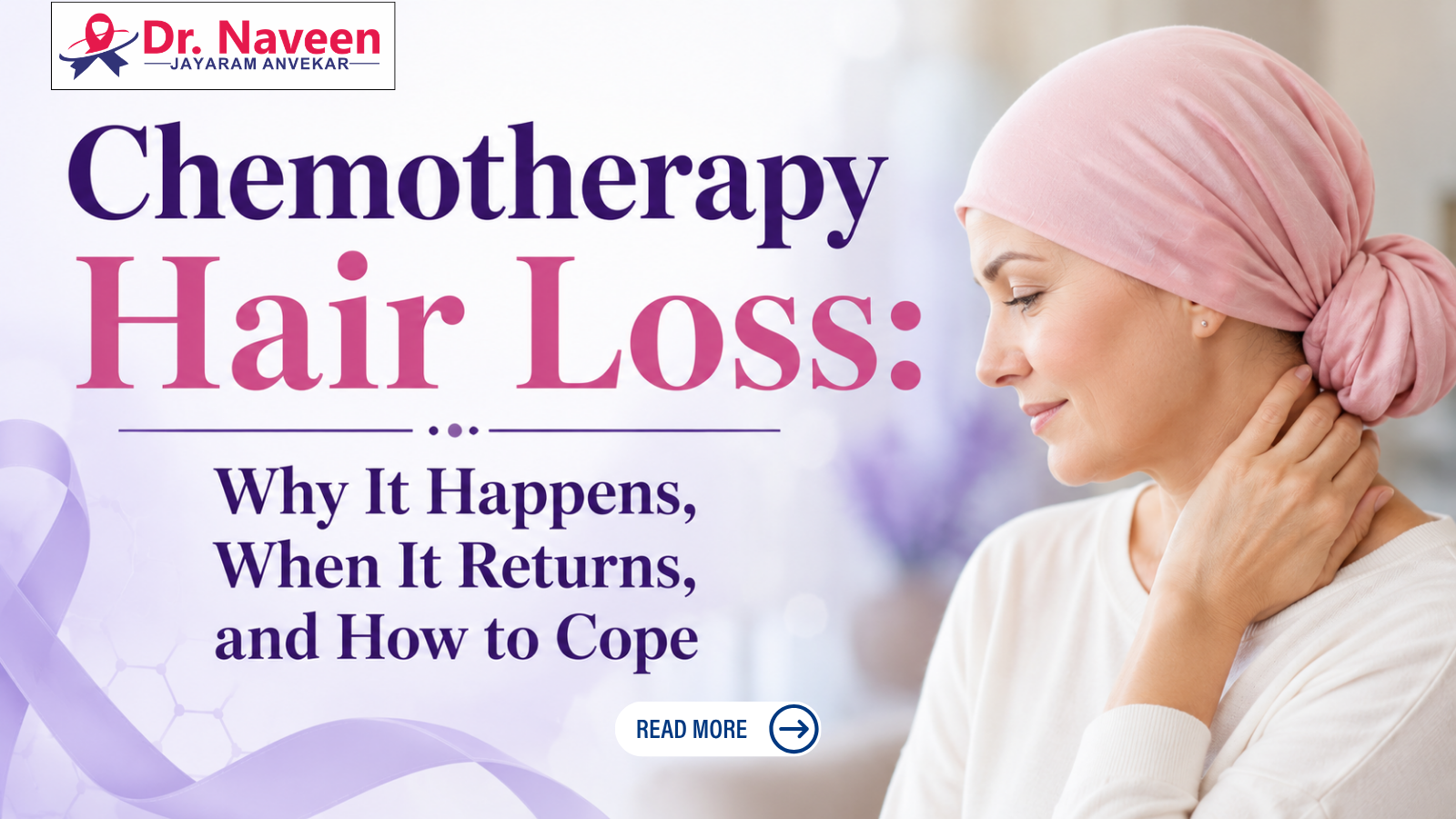
• Temporary hair loss (alopecia), which varies significantly by drug regimen
• Lowered blood counts, increasing the risk of infections and anaemia
• Peripheral neuropathy (tingling or numbness in hands and feet) with certain agents
• Mouth sores (mucositis), managed with better oral care protocols
Supportive oncology — which includes dietetics, physiotherapy, psychological counselling, yoga therapy, and integrative medicine — is now woven into comprehensive cancer care pathways, making the chemotherapy journey far less isolating and far more survivable.
What Patients in Mysore Should Do Before Starting Chemotherapy
Preparation matters as much as the treatment itself. Here is what every cancer patient in Mysore should consider before their first chemotherapy cycle:
• Request biomarker and genomic testing: Know your tumour's molecular profile before committing to a regimen. Targeted therapies or ADCs may be more appropriate than conventional chemotherapy.
• Get a second opinion from a medical oncologist: Chemotherapy decisions should always be validated by a specialist with specific expertise in your cancer type.
• Discuss fertility preservation early: Some chemotherapy drugs can affect reproductive health. For younger patients, egg or sperm banking before treatment begins is strongly advisable.
• Work with a cancer nutritionist: Maintaining good nutritional status before and during chemotherapy directly impacts your tolerance of treatment and recovery speed.
• Ask about clinical trials: Several oncology centres in Mysore participate in clinical trials offering access to cutting-edge drugs before they reach mainstream practice.
Choosing the Best Oncologist in Mysore for Your Chemotherapy
The single most important decision a cancer patient makes is not which drug to take — it is who guides them through the process. The best cancer specialist in Mysore will take time to explain your diagnosis, present every available treatment option, and build a chemotherapy plan that is tailored to your cancer's biology, your overall health, and your personal priorities.
When evaluating oncologists and cancer centres in Mysore, look for multidisciplinary tumour boards (where surgeons, oncologists, radiologists, and pathologists review your case together), access to modern infusion facilities, in-house molecular diagnostic labs, and strong supportive care services. These factors collectively determine the quality of your cancer care — and ultimately, your outcome. Do not delay consultation. In oncology, early action is always the best action.
Frequently Asked Questions (FAQs)
Q1. Is chemotherapy in 2026 less harmful than before?
Yes. Advances like Antibody-Drug Conjugates and better antiemetics have reduced toxicity significantly. Side effects still occur, but are far better managed today.
Q2. How long does a chemotherapy cycle last?
Typically 2–4 weeks per cycle, with rest periods in between. Most patients complete 4–8 cycles depending on cancer type and response.
Q3. Can I take chemotherapy in tablet form at home?
Yes, for many cancers. Oral chemotherapy is effective and convenient. Your oncologist will confirm if it suits your diagnosis.
Q4. Should I get a second opinion before starting chemotherapy?
Always. Treatment is complex and highly individual. A second opinion from the best oncologist in Mysore ensures your plan is truly personalised.
Q5. Where can I find a trusted cancer specialist in Mysore?
Seek a medical oncologist at a NABH-accredited hospital with multidisciplinary tumour boards, molecular diagnostics, and strong patient reviews.
Disclaimer: This blog is intended for educational purposes only and does not substitute professional medical advice. Please consult a qualified oncologist for a personalised diagnosis and cancer treatment plan.
.png)